
Grandpa's Lessons about Generational Wealth, Stewardship, and Ecosystems
Generational Wealth & How our family survived 5 generations

Legacy is often imagined as something loud, something grand, something displayed through wealth or reputation. But real generational strength is quieter. It is built slowly, almost invisibly, through systems that continue producing value long after the original architect has passed. My family survived five generations because our foundation was never based on spectacle or chance. It was shaped by stewardship, by discipline, and by the choices of a man who understood ecosystems long before the word became popular.


My grandfather was the beginning of that modern lineage. Before he became a diplomat, he was a researcher, someone who understood that the health of a community depends on the health of its environment. I found one of his early publications tucked inside an old fisheries archive, a scientific guide on How to identify fish caught with explosives. At first it looked like technical fieldwork, but when I sat with it, I realized it revealed the architecture of his mind. He was trying to protect coastal ecosystems, preserve food security, and defend the livelihoods of fishing communities who depended on clean waters. His work held the energy of someone who understood that resources are fragile, and that human carelessness can destroy the very systems that sustain us.
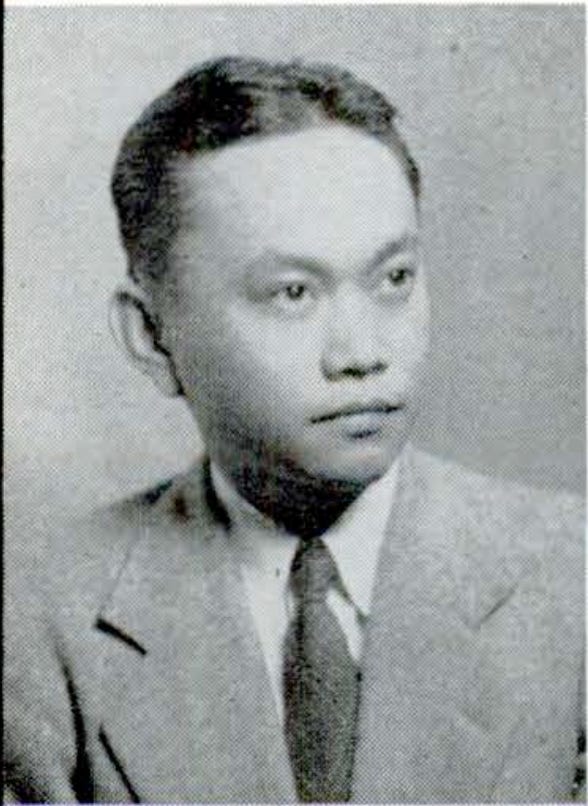
His path eventually took him to Auburn University, where he studied horticulture, ecology and resource management. That opportunity alone reveals the level of trust placed in him. In his era, being sent abroad for education was not an act of privilege, it was an act of responsibility. It meant he was someone capable of bringing knowledge home and applying it in service of the country. His lens was always ecological and communal. He understood cycles, balance, restoration, and long term thinking. When he stepped into diplomacy, it was through expertise rather than politics. He represented the Philippines as someone who could negotiate, interpret, and advocate for sustainable development, food systems, and environmental protection.


When he returned home, he did not build an empire. He built an ecosystem. Everything he created was connected to life. He expanded farmlands and grew mango and banana groves. He maintained cattle, tended fisheries, and developed rental lands that allowed families to cultivate their own food. He built water wells and supported local communities through education. He ensured that the children of workers were able to study, learn, and eventually rise beyond the limitations that had shaped their parents’ lives. Every decision he made rippled outward, strengthening the social and economic structure of the region. It was not wealth accumulation. It was regeneration.
The ecosystem grew with each generation. My parents continued what he started, maintaining the farmlands, supporting the families who lived on the land, expanding the fisheries, and preserving the properties that produced stable income. They followed his quiet philosophy. Wealth was not something to be flaunted. It was something to be tended the way you tend soil. With patience, care and respect for cycles.


Through this, I learned that every lineage has a pattern. Some families chase expansion until they collapse. Others hoard until their wealth stagnates. But the families that endure understand how to create systems that can adapt. Our survival was not accidental. It came from the discipline to preserve core assets, the humility to invest in people, and the foresight to understand that resilience grows from diversity. Land, water, crops, fish, rental income, education, and community support formed a network that could bend without breaking.
I once believed legacy was measured in what you could accumulate. My grandfather taught me that real legacy is measured in what you can sustain. It is measured in the structures that remain intact through economic cycles, political transitions, natural disasters, and generational change. It is measured in the lives you support, the people you elevate, and the ecosystems you protect.


What I carry forward now is not the pressure to repeat what he did, but the responsibility to understand it. To study the systems he built, the values that guided him, and the way he wove his identity into the land and the community. My work is to strengthen the next beam in the house he began. His generation built the roots. My parents strengthened the trunk. I am here to shape the branches.
Legacy is not defined by the assets you leave behind. It is defined by the coherence you create, the systems you protect, and the wisdom you pass forward. My family survived five generations because someone in every generation chose stewardship over ego, patience over impulse, and structure over spectacle.
And when I reflect on everything he built, everything he protected, everything he imagined, the lessons become clear.